Top Research Opportunities for Medical Students in 2026
Research experience is one of the most impactful things you can do during medical school — for residency applications, career clarity, and building your network. But finding the right research opportunity is harder than it should be.
We compiled a list of the most sought-after research programs for medical students in 2026, organized by type and deadline status.
NIH-Funded Summer Programs
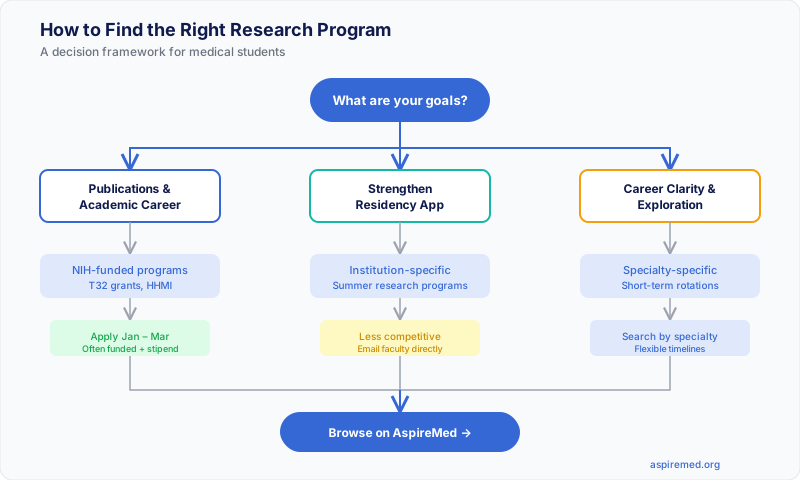
The NIH funds dozens of summer research training programs across its institutes. These are competitive but fully funded, and they look excellent on residency applications.
Popular programs include:
- NIH Summer Internship Program (SIP) — 8-10 weeks at NIH campuses, open to undergrad and med students
- Howard Hughes Medical Institute (HHMI) Medical Fellows — 1-year funded research for students taking a gap year
- Doris Duke Clinical Research Fellowship — year-long clinical research at partner institutions
Deadlines typically fall between January and March. Check current status on AspireMed where we track 630+ opportunities with live deadline info.
Institution-Specific Research Programs
Most academic medical centers run their own summer research programs. These are often less competitive than national programs and give you a foot in the door at a specific institution.
How to find them:
- Check the research office website at schools you're interested in
- Search by specialty on AspireMed — we index programs from 100+ institutions
- Email faculty directly with a tailored research interest statement
Research for IMGs
International medical graduates face additional barriers in finding US research positions. Key things to look for:
- Programs that explicitly accept IMG applicants
- Institutions with J-1 visa sponsorship
- Remote research collaborations (increasingly common post-COVID)
On AspireMed, every opportunity is tagged with IMG eligibility status so you know immediately if you qualify.
How to Stand Out
- Start early — most deadlines are 3-6 months before the program starts
- Tailor your application — generic cover letters get filtered out
- Have a research question — even a rough one shows you've thought about it
- Follow up — a polite follow-up email 2 weeks after applying is normal
Find Your Match
Instead of searching 20 different websites, try Altus, AspireMed's matching engine. Answer 6 questions about your interests and career stage, and we'll rank every research opportunity by fit — for free.
Get career guides in your inbox
Join medical trainees getting opportunity alerts and career guides. Free, no spam, unsubscribe anytime.
Find your next opportunity
Browse hundreds of medical opportunities with Altus matching, free for all trainees.